
Research areas
Conduct experiments and research to determine the fertility status of Mongolia’s agricultural soils and sustainably increase crop yields by improving soil fertility through fertilizer application.
- Long-term stationary agrochemical fertilizer experiments
- Soil fertility status and its restoration
- Content and dynamics of mobile soil nutrients (NPK)
- Fertilization technology for agricultural crops
- Development and application methods for new types of fertilizer
- Increasing agricultural production based on nutrient balance
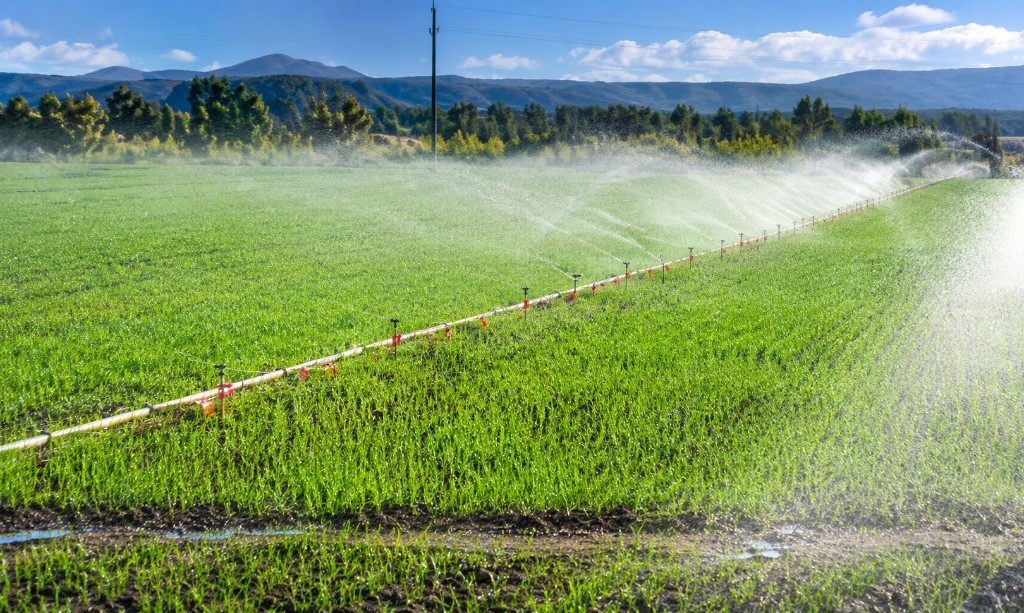
Irrigated crop field
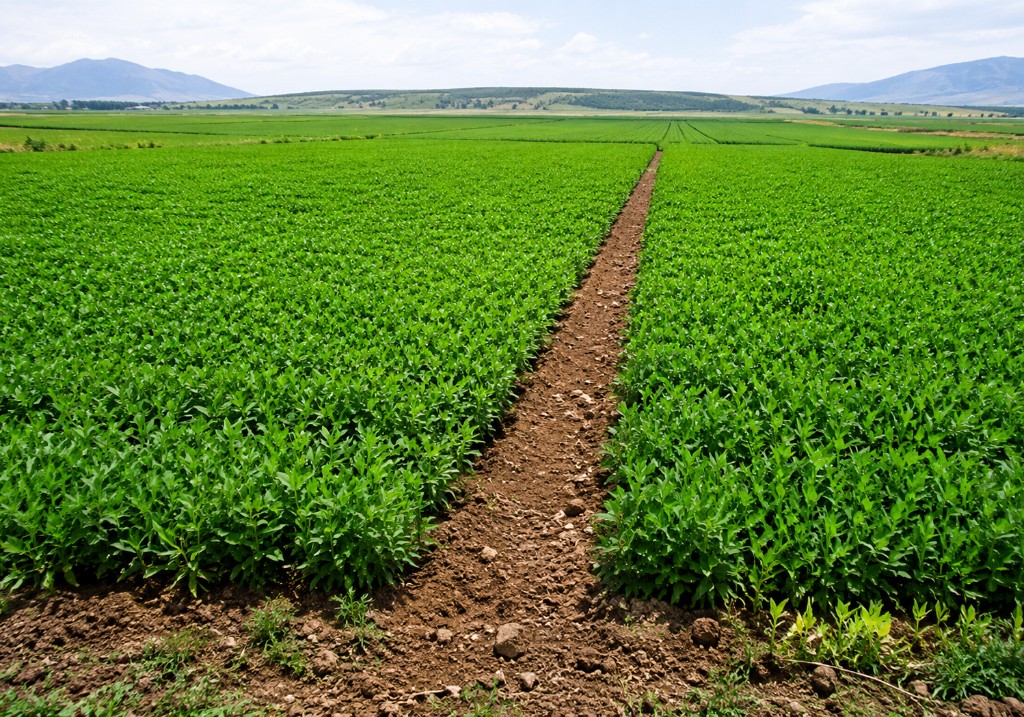
Crop field
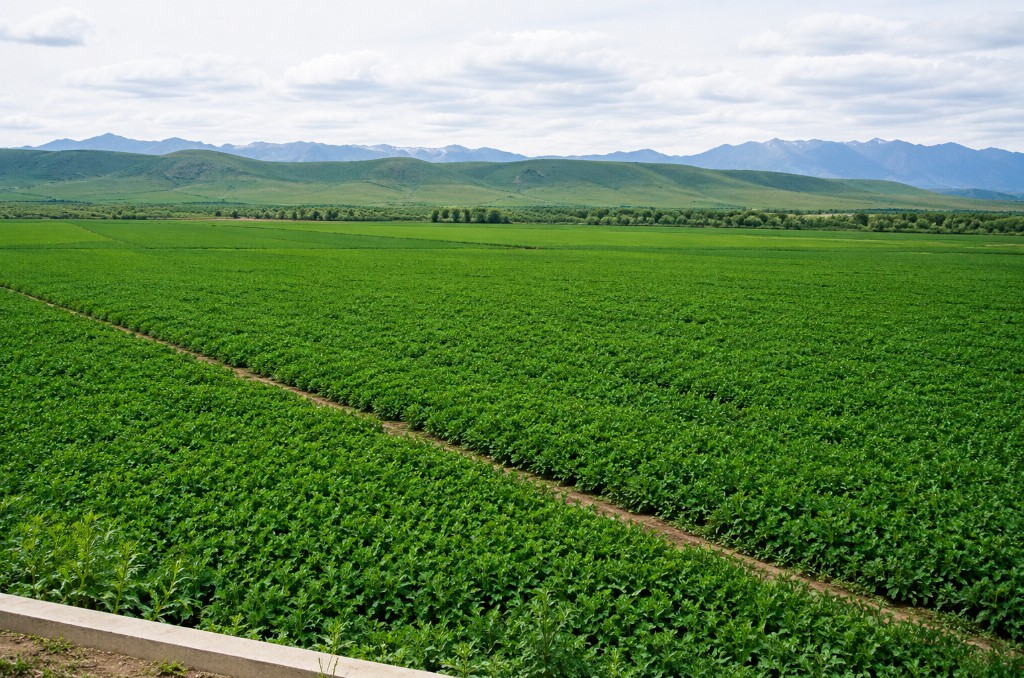
Green crop field
Laboratory analysis
The laboratory is accredited for soil testing in compliance with the requirements of MNS ISO/IEC 17025:2007.
- Methodologies for determining 12 soil fertility and agrochemical properties and 4–5 agrophysical properties
- Capacity to analyze an average of 2,500–3,000 soil samples annually
- Equipped with modern instruments required for soil and plant analysis, including a spectrophotometer, flame photometer, Kjeldahl apparatus, water distiller, analytical balance and other equipment
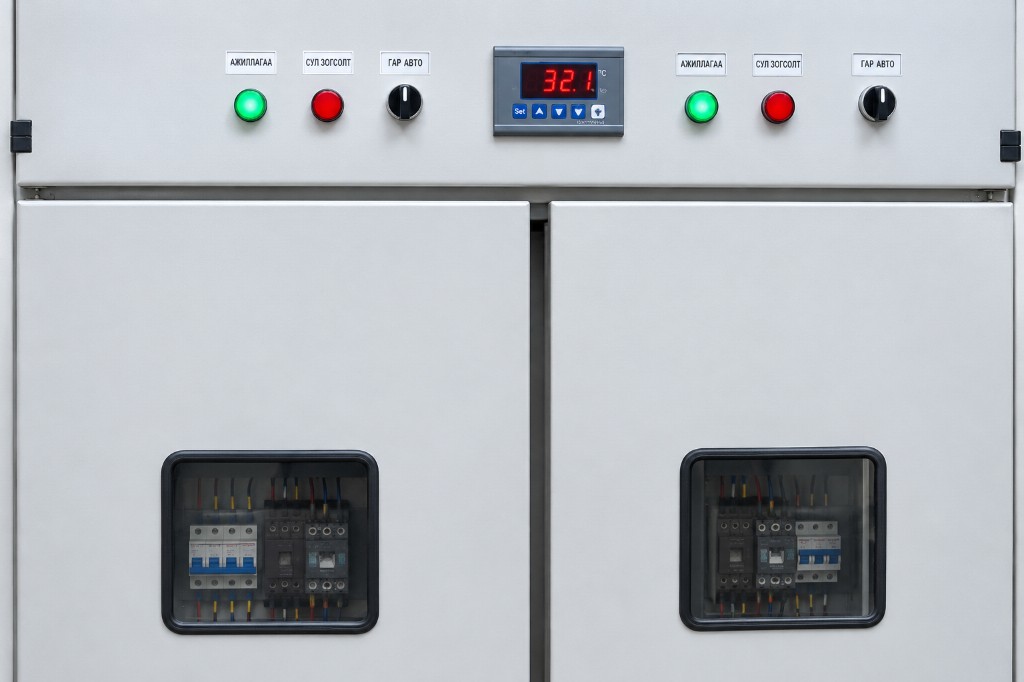
Laboratory control cabinet
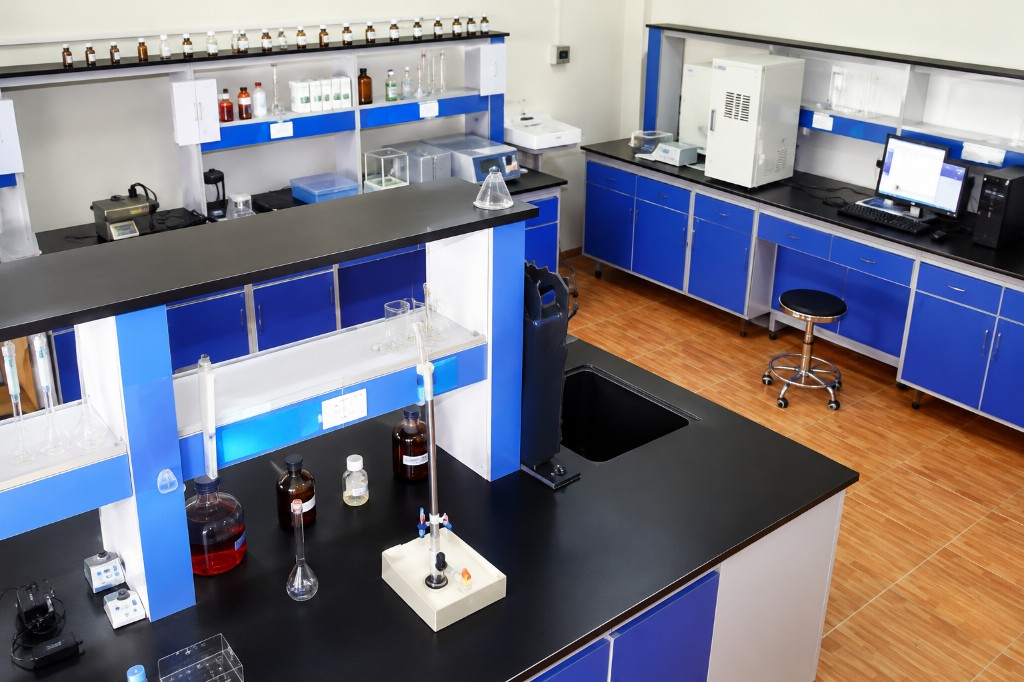
Laboratory working environment
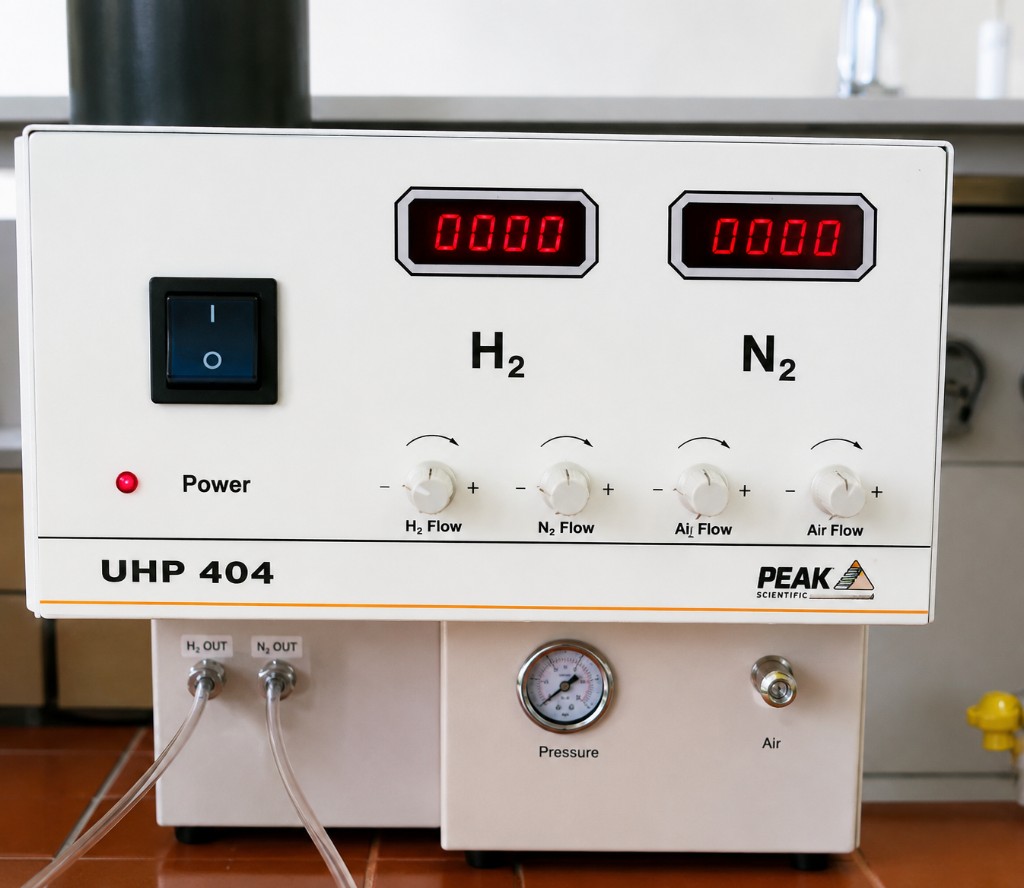
Gas generator
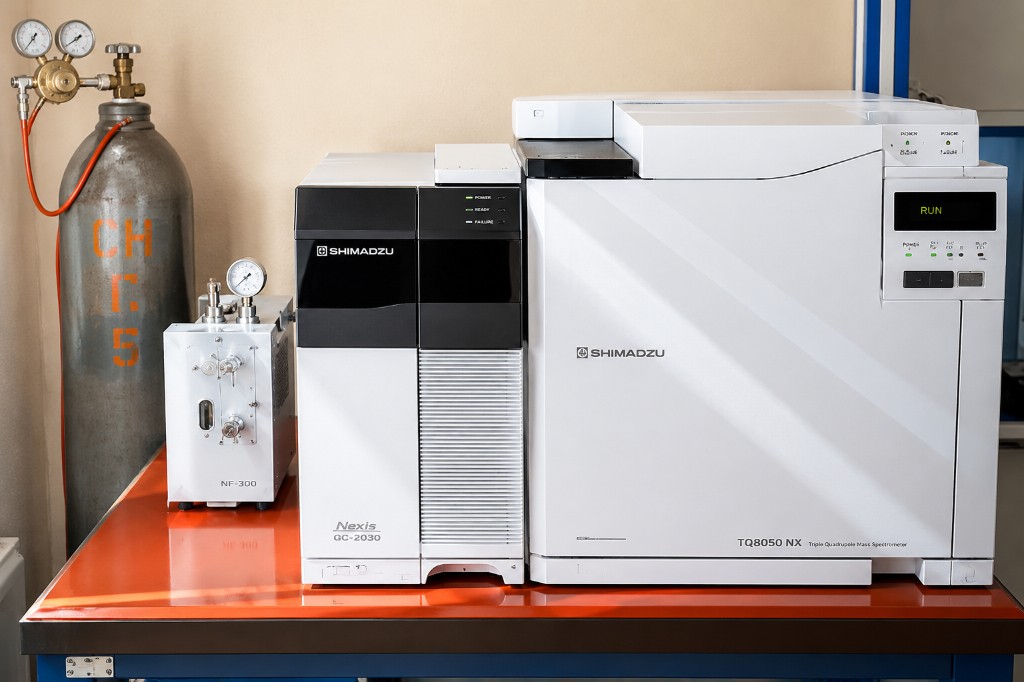
Gas chromatograph–mass spectrometer
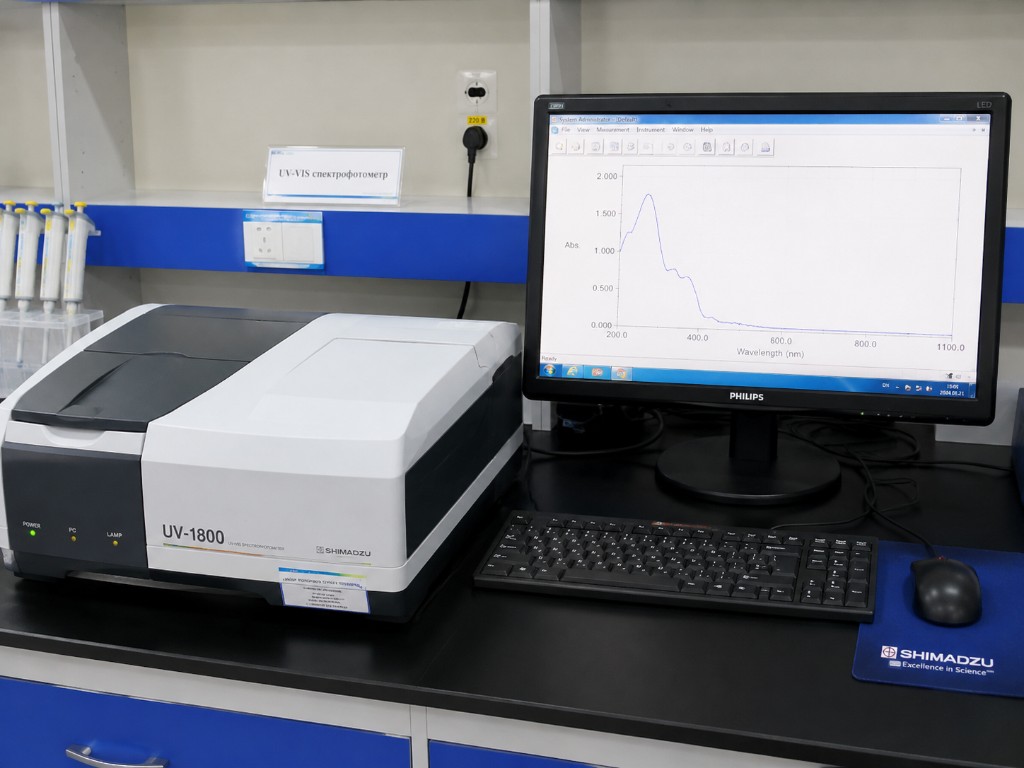
UV-VIS spectrophotometer
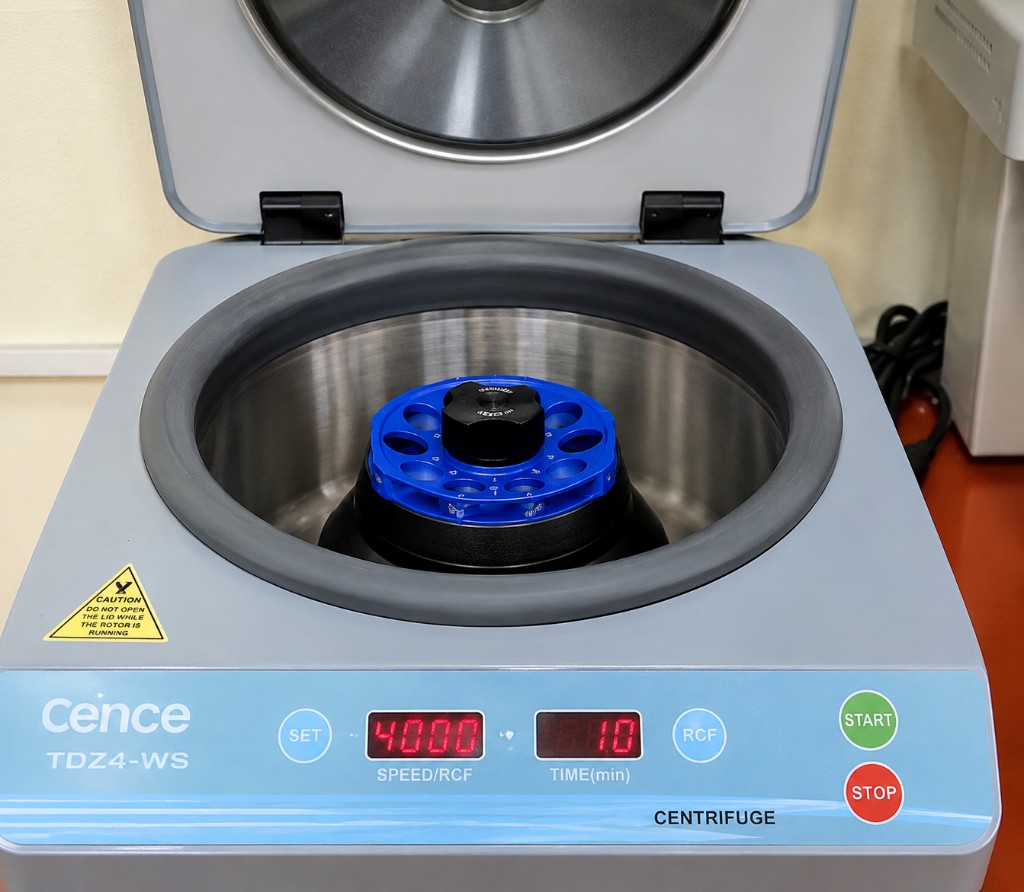
Centrifuge
Results
Based on soil fertility analysis, fertilizer recommendations have been developed and introduced into production.
- 1986–1995: a total of 860.0 thousand ha of cropland nationwide
- 1999–2000: household plots of 1,500 households in 2 soums of Darkhan-Uul aimag
- 2008–2010 and 2012–2013: under the “Third Virgin Lands Campaign” National Program, soil analysis of 926.0 thousand ha of national cropland was carried out, and crop fertilization recommendations based on the results were developed and introduced into production
- Under advanced production technologies, experiments and research are conducted to identify the effects of fertilizers on soil fertility, crop yield and quality
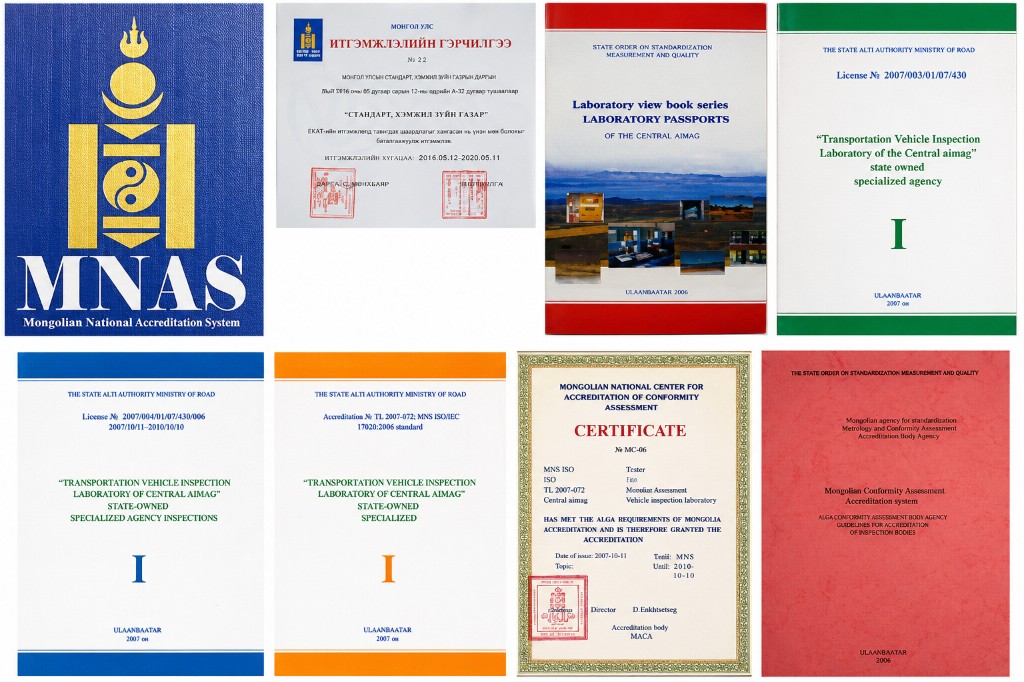
Accreditation certificates and documents